as an amazon associate, stepyard earns from qualifying purchases · prices & availability accurate as of listing time
Why Your Phone Isn't a Reliable Pedometer (The Accuracy Problem)
You know that feeling. You lace up your sneakers, determined to hit 10,000 steps. But three hours later, your phone says you’ve barely moved 2,000. The problem isn't your motivation—it's your lack of a reliable metric. This is where finding the best pedometers changes everything. A dedicated device doesn't just count steps; it gives you accurate data you can trust, without draining your phone battery.
⭐ #1 best seller
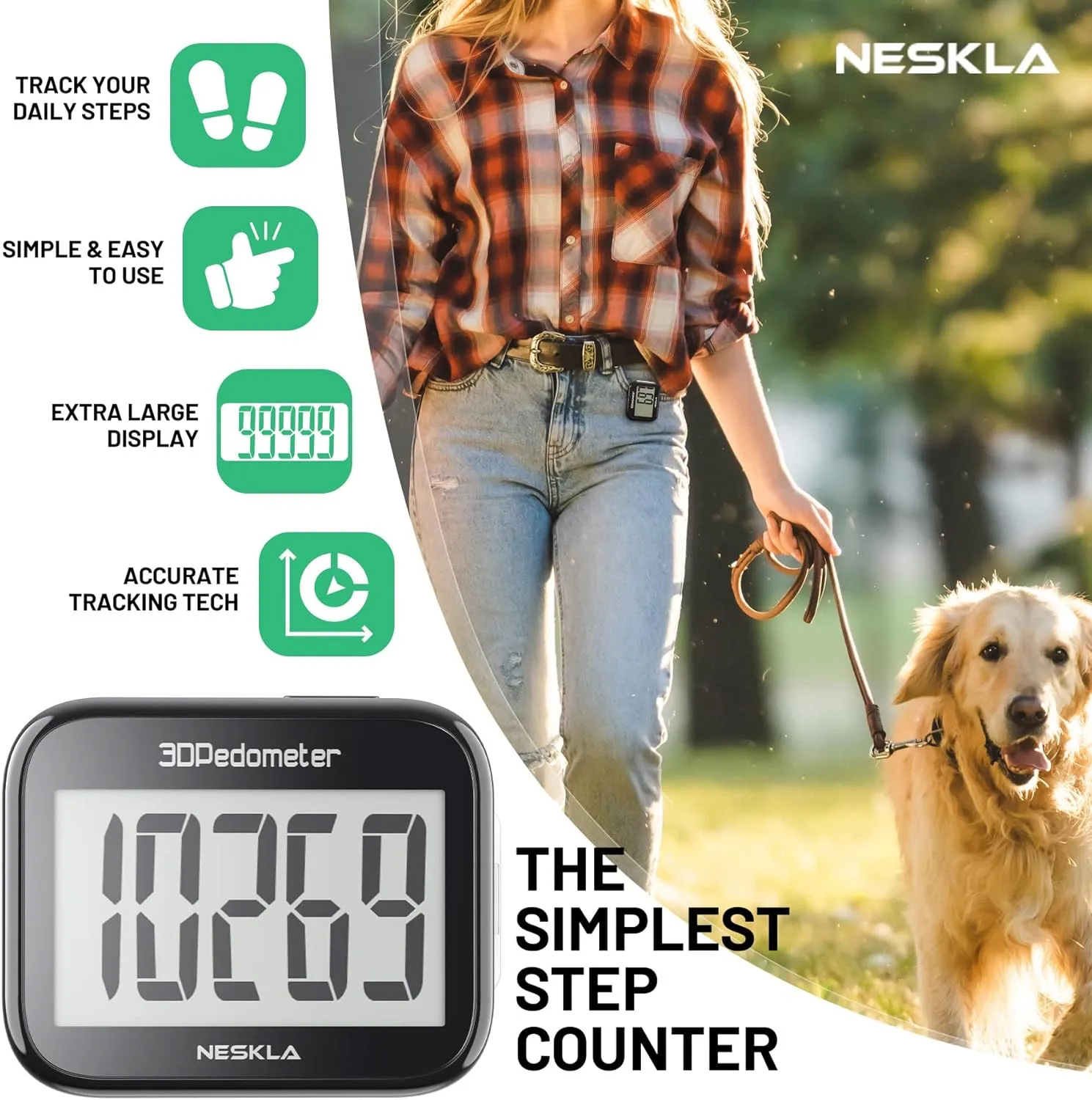
- tri-axis sensor
- clip + lanyard included
- steps, distance & calories
- active-time tracking
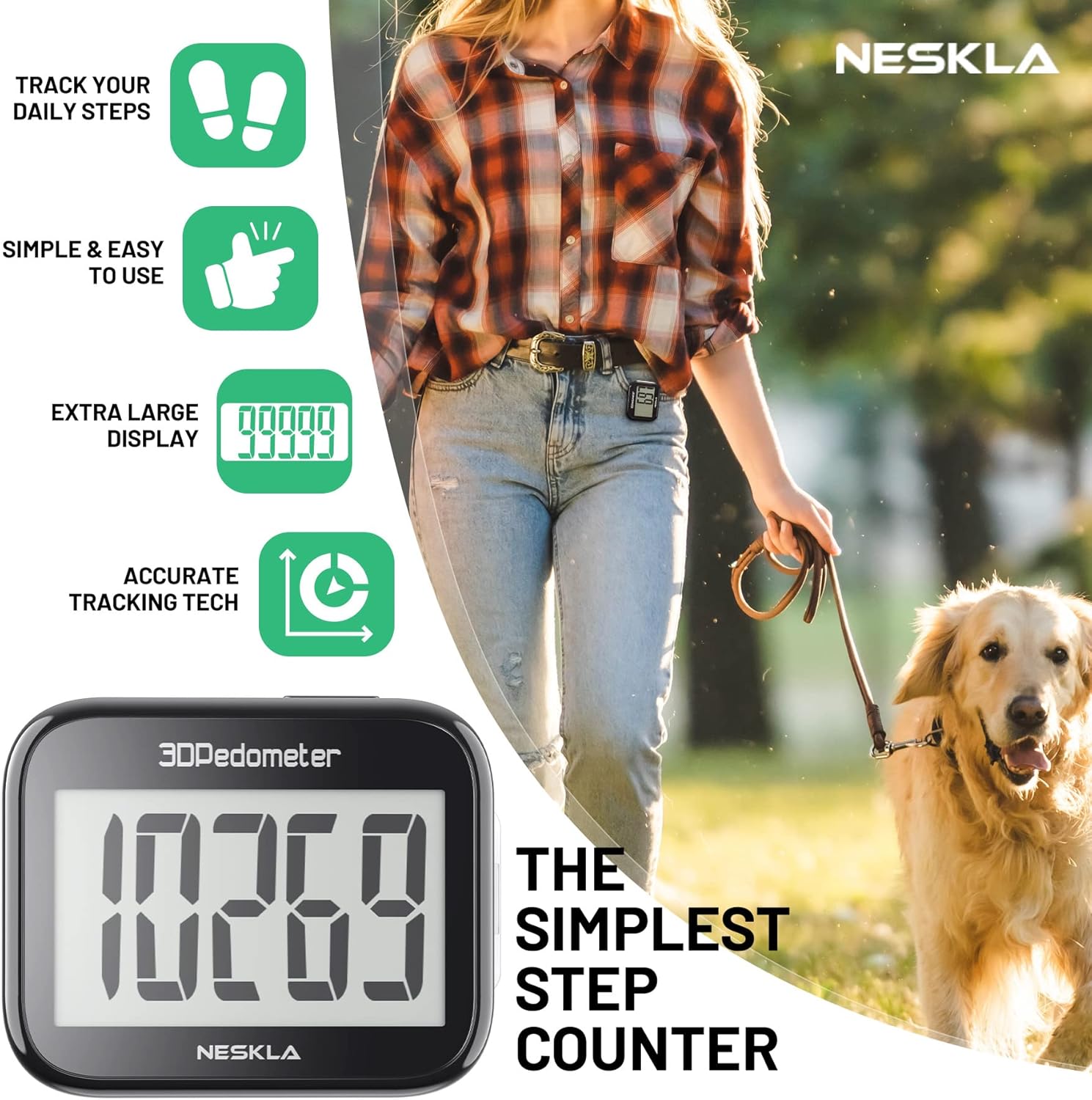
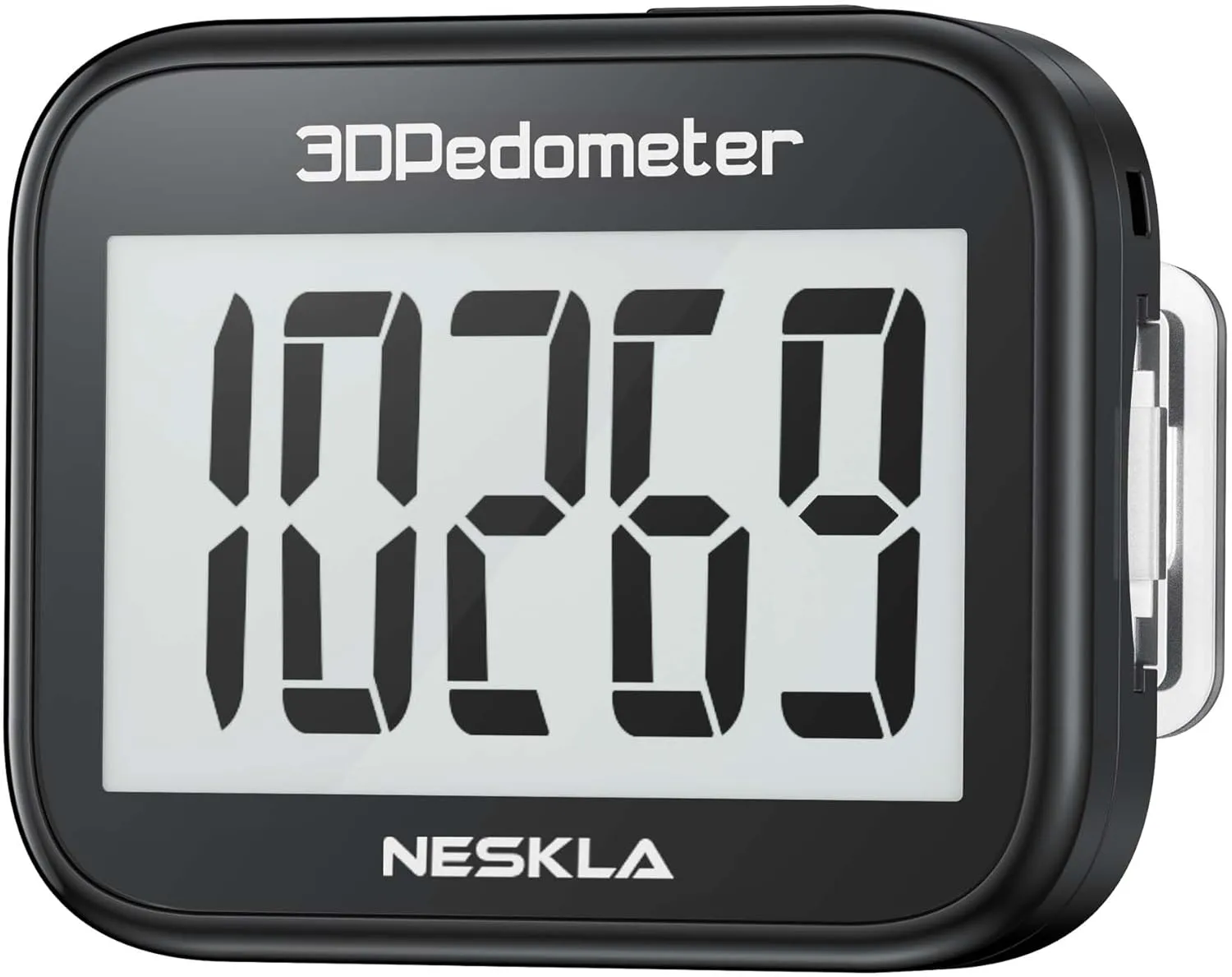
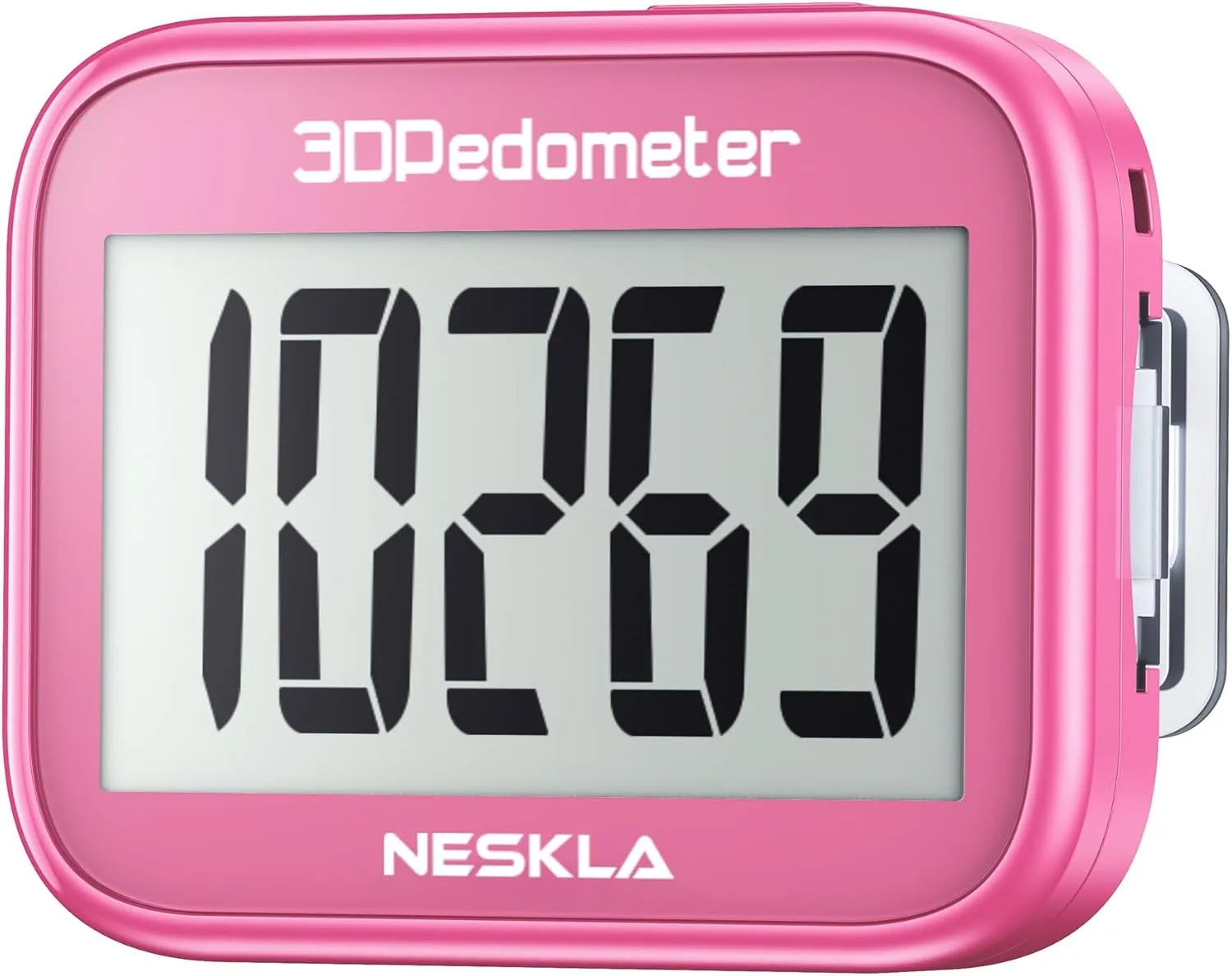
available in: black · grey · blue · lime · tan
shop by top
curated collections
86 products sort: best rated ▾
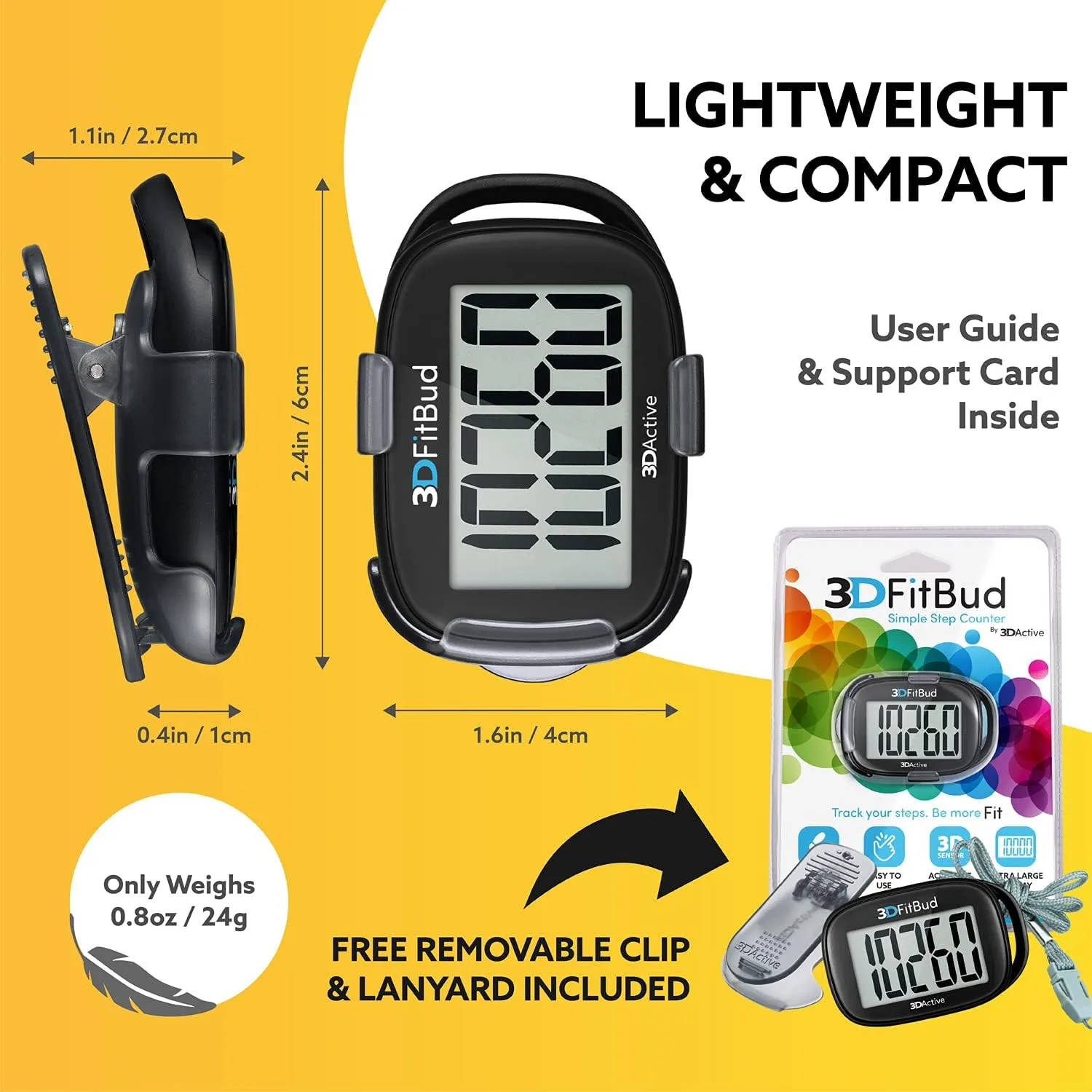
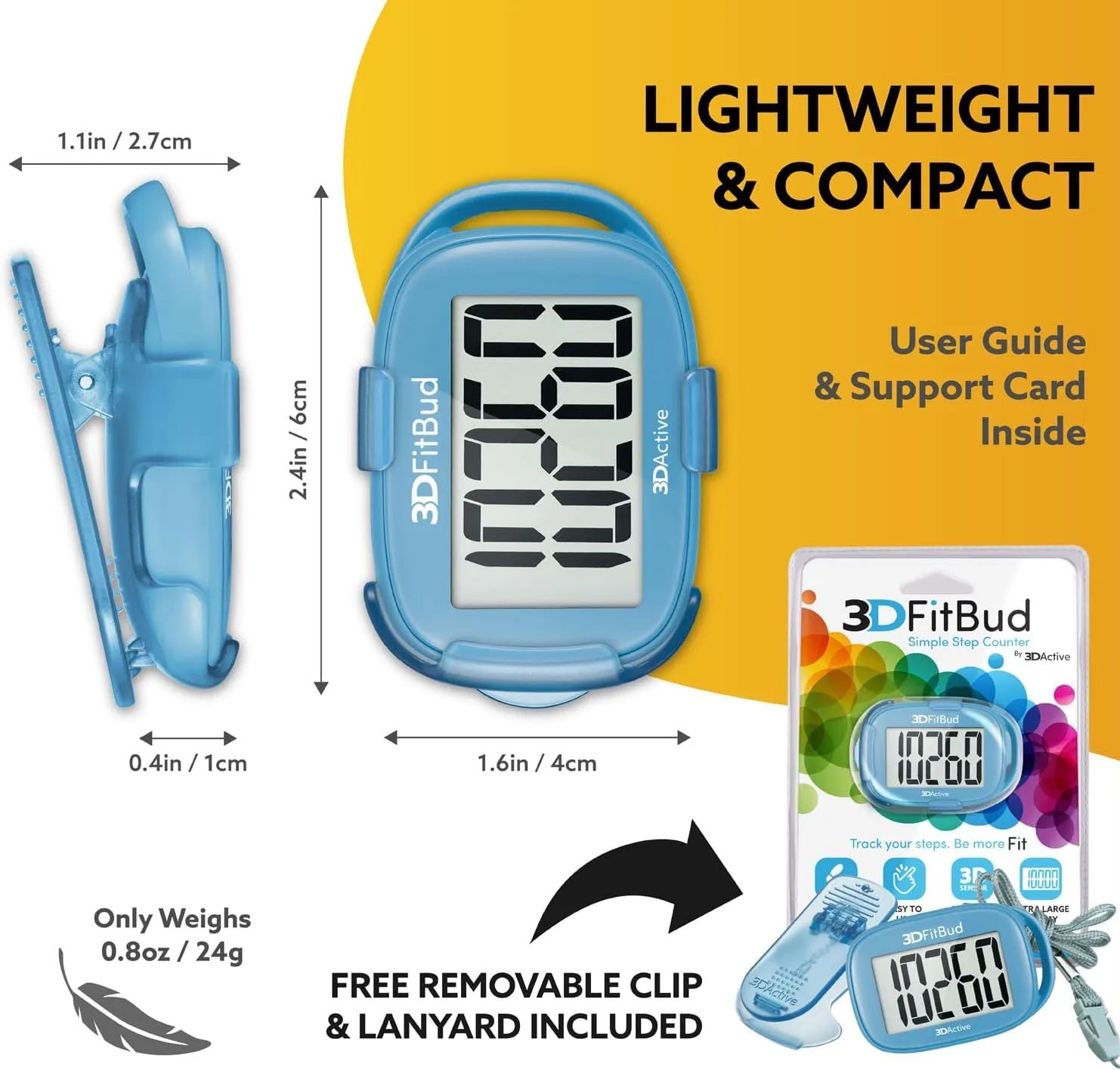
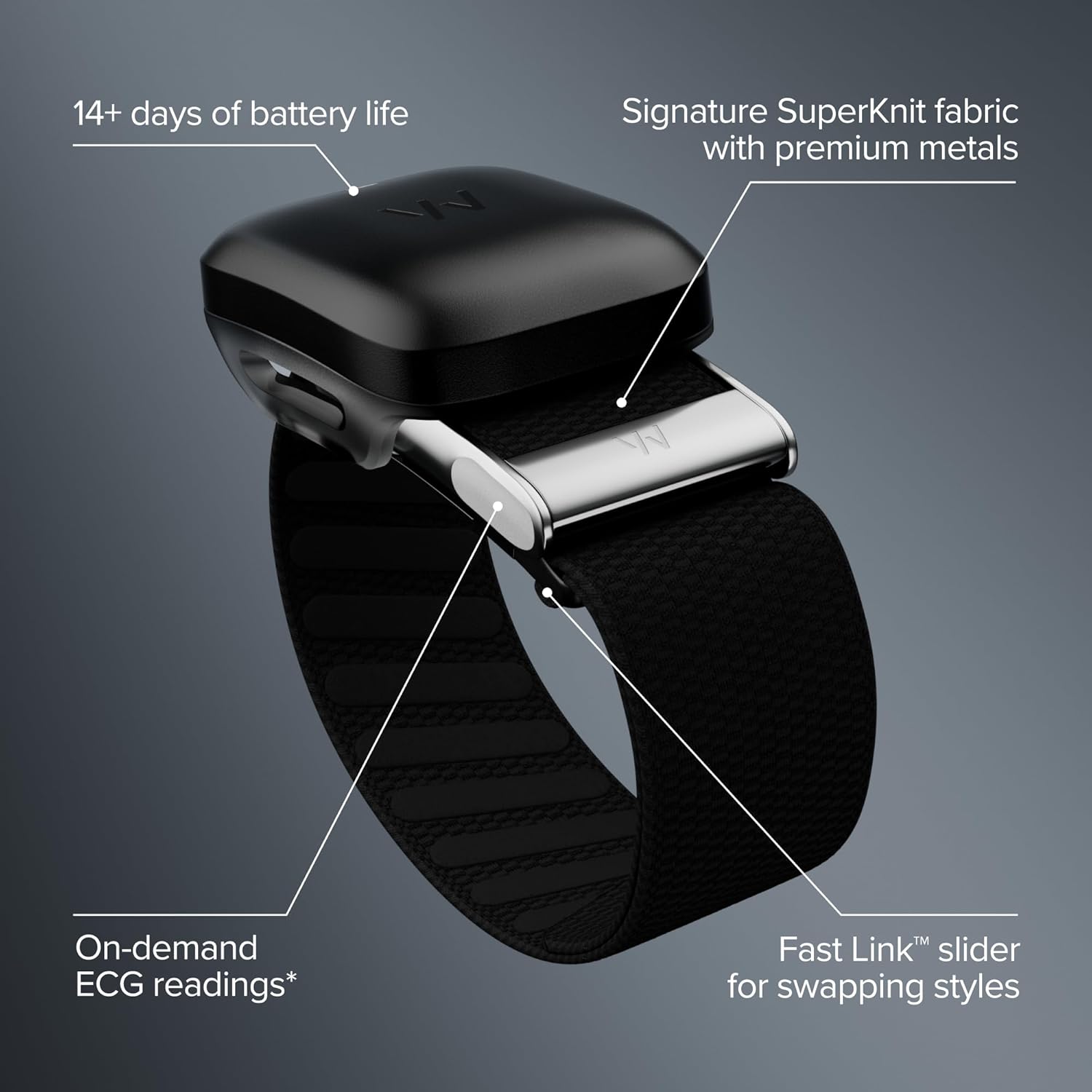
accuracy & fit guide
Why Your Phone Isn't a Reliable Pedometer (The Accuracy Problem)
Let’s address the elephant in the room. Your smartphone has a built-in accelerometer, so why buy a separate device? The answer comes down to physics and placement. According to a 2020 study published in the Journal of Medical Internet Research, phone-based step counters can be up to 22% less accurate than dedicated pedometers. Here is why:
- Placement variability: When you put your phone in a bag, pocket, or hand, the sensor interprets movement differently. A phone in a swinging backpack can miscount arm swings as steps.
- Battery drain: Constant GPS and step tracking drains your battery faster than a dedicated device.
- Screen-off limitations: Many phones stop logging steps when the screen is off or when specific apps are closed.
Pro Tip: If you carry your phone in your hand while walking, your step count could be inflated by 15-20% due to arm motion. A dedicated pedometer worn at the hip or wrist eliminates this error.
A dedicated pedometer solves these issues by using a 3-axis accelerometer and staying affixed to your body. The result? Data you can actually use to set goals and track progress.
available on eligible orders for amazon prime members.
standard amazon return window applies; check the listing for specifics.
most models run 6–12 months on one coin-cell battery.
- 01 · tri-axis sensors correct for tilt & hand-swing
- 02 · clip-on models average 95–97% step accuracy
- 03 · most reset daily & store up to 7 days of history
“
bought this for my mom — huge numbers, simple buttons, no syncing headaches
2,940 amazon reviews
bought this for my mom — huge numbers, simple buttons, no syncing headaches
the tech, explained
how a pedometer actually counts steps
01 ·
Clip-On Pedometers (The Gold Standard for Accuracy)
These are the classic devices you clip to your waistband. They are the most accurate because they sit at your center of mass.
- Best for: Walkers, runners, and healthcare patients
- Top pick: Omron HJ-321 — it uses a dual-axis sensor and has a 4.6/5 star rating across major retailers.
- Battery life: 1-2 years on a single coin cell battery
02 ·
Wrist-Based Fitness Trackers (The All-in-One Solution)
These combine step counting with heart rate monitoring, sleep tracking, and smart notifications. They are the best pedometers for people who want more than just steps.
- Best for: General fitness, sleep tracking, and daily wear
- Top pick: Fitbit Inspire 3 — it offers 7+ days of battery life and 24/7 heart rate monitoring
- Accuracy: 95%+ accurate for steps when worn properly
03 ·
Smartwatch Pedometers (The Feature-Rich Option)
These are full smartwatches with built-in step tracking. They are the most expensive but offer the most features.
- Best for: Tech enthusiasts and serious athletes
- Top pick: Garmin Venu 3 — it uses GPS and Elevate heart rate sensor for precise data
- Accuracy: 98% step accuracy, but battery life is only 5-7 days
pick the right one
clip-on vs wristband vs pocket pedometer
type
accuracy
best for
typical price
clip-on (belt/pocket)
highest — 95–97%
daily step goals, walking programs
$10–$25
wristband tracker
good — 90–94%
hands-free wear, sleep tracking
$20–$40
pocket digital
moderate — 85–92%
budget buyers, basic counting
$8–$15
gps running watch
highest + route data
runners, distance-focused training
$50–$120
as a rule: clip-on pedometers stay closest to your body’s center of gravity, so they track the up-and-down bounce of walking more consistently than a wrist-worn device, which can misread arm movement (stirring a pot, pushing a shopping cart) as steps. if all-day, hands-free wear matters more than lab-grade precision, a wristband is still a solid pick.
the tech, explained
How to Choose the Best Pedometer: 4 Critical Features to Compare
01 ·
Accuracy and Sensor Quality
Look for a device with a 3-axis accelerometer or dual-axis sensor. Avoid single-axis sensors, which only count steps in one direction. The Omron HJ-321 uses a dual-axis sensor that is 99% accurate in controlled tests.
02 ·
Battery Life
This is the biggest differentiator. Clip-on pedometers last 1-2 years. Wrist trackers last 5-14 days. Smartwatches last 2-7 days. If you hate charging devices, choose a clip-on model.
- Best for: General fitness, sleep tracking, and daily wear
- Top pick: Fitbit Inspire 3 — it offers 7+ days of battery life and 24/7 heart rate monitoring
- Accuracy: 95%+ accurate for steps when worn properly
03 ·
Display and Readability
Can you read the screen in direct sunlight? The Garmin Vívofit 4 has a sunlight-visible display that is always on. The Fitbit Inspire 3 uses an AMOLED screen that is bright indoors but can be hard to read outdoors.
04·
Data Syncing and App Integration
Do you want your data in a health app? The Fitbit and Garmin ecosystems sync automatically with Apple Health and Google Fit. The Omron HJ-321 requires manual recording or a separate app.
Comparison Table: Top 3 Best Pedometers
| Feature | Omron HJ-321 (Clip-On) | Fitbit Inspire 3 (Wrist) | Garmin Vívofit 4 (Wrist) |
|---|---|---|---|
| Price | $25-$30 | $99-$120 | $80-$100 |
| Battery Life | 1-2 years | 7 days | 1 year (coin cell) |
| Accuracy | 99% | 95% | 97% |
| Display | LCD (always on) | AMOLED (touch) | LCD (always on) |
| Heart Rate | No | Yes | Yes |
| Water Resistant | Splash proof | 50 meters | 50 meters |
| Best For | Medical accuracy | Daily fitness | Durability |
common questions
pedometer faq
set a realistic target
step goals by life stage
kids & teens
10,000–13,000
higher activity baseline; most of this comes from play rather than structured exercise.
adults
7,000–10,000
the range where most studies see the strongest drop in all-cause mortality risk.
older adults (65+)
6,000–8,000
benefits plateau earlier; consistency matters more than hitting a high number.
post-surgery / rehab
2,000–4,000
a common early-recovery target — always follow your care provider’s specific guidance.
why it’s worth tracking
Setting Up Your Pedometer for Maximum Accuracy
- Step 1: Calibrate Your Stride Length Most pedometers assume an average stride length of 2.5 feet. If you are taller or shorter, this is wrong. To calibrate: Walk exactly 10 steps at a normal pace. Measure the total distance in feet. Divide that number by 10. Input this number into your device settings.
- Step 2: Wear It Correctly Clip-on: Attach to your waistband directly above your hip bone. Wrist: Wear it on your non-dominant wrist (the one you write with less). This reduces false arm-swing counts by up to 10% .
- Step 3: Set Your Daily Goal The 10,000-step goal is a marketing myth from 1960s Japan. According to recent research from the Harvard Medical School, 4,400 steps per day significantly lowers mortality risk, and the benefits plateau around 7,500 steps. Set a goal that matches your fitness level.
“
Pro Tip: For the first week, just wear the pedometer without a goal. After 7 days, calculate your average daily steps. Then set your goal at 20% higher than that average. This creates a realistic, progressive challenge.
a stepyard reader
get accurate readings
common accuracy mistakes to avoid
The best pedometers do more than count steps. They change your behavior. Here is the science behind the habit loop.
The Hidden Benefits of Using a Pedometer (Beyond Step Counting)
The Feedback Loop Effect
According to a 2019 meta-analysis in the British Journal of Sports Medicine, people who wear a pedometer increase their daily steps by an average of 2,000 steps per day (approximately 1 mile). The simple act of seeing a number motivates you to move more.
Non-Exercise Activity Thermogenesis (NEAT)
Pedometers measure NEAT—the calories you burn through everyday movement like fidgeting, walking to the bathroom, and pacing while on the phone. Increasing your NEAT by 15% can burn an additional 300-500 calories per day without formal exercise.
Sleep and Stress Correlation
Wrist-based pedometers like the Fitbit Inspire 3 track your resting heart rate and sleep stages. You will notice that low step days often correlate with poor sleep and higher stress. This data helps you connect the dots between movement and well-being.
© 2026 best pedometers — independent product guide, not a medical device manufacturer.
amazon and the amazon logo are trademarks of amazon.com, inc.